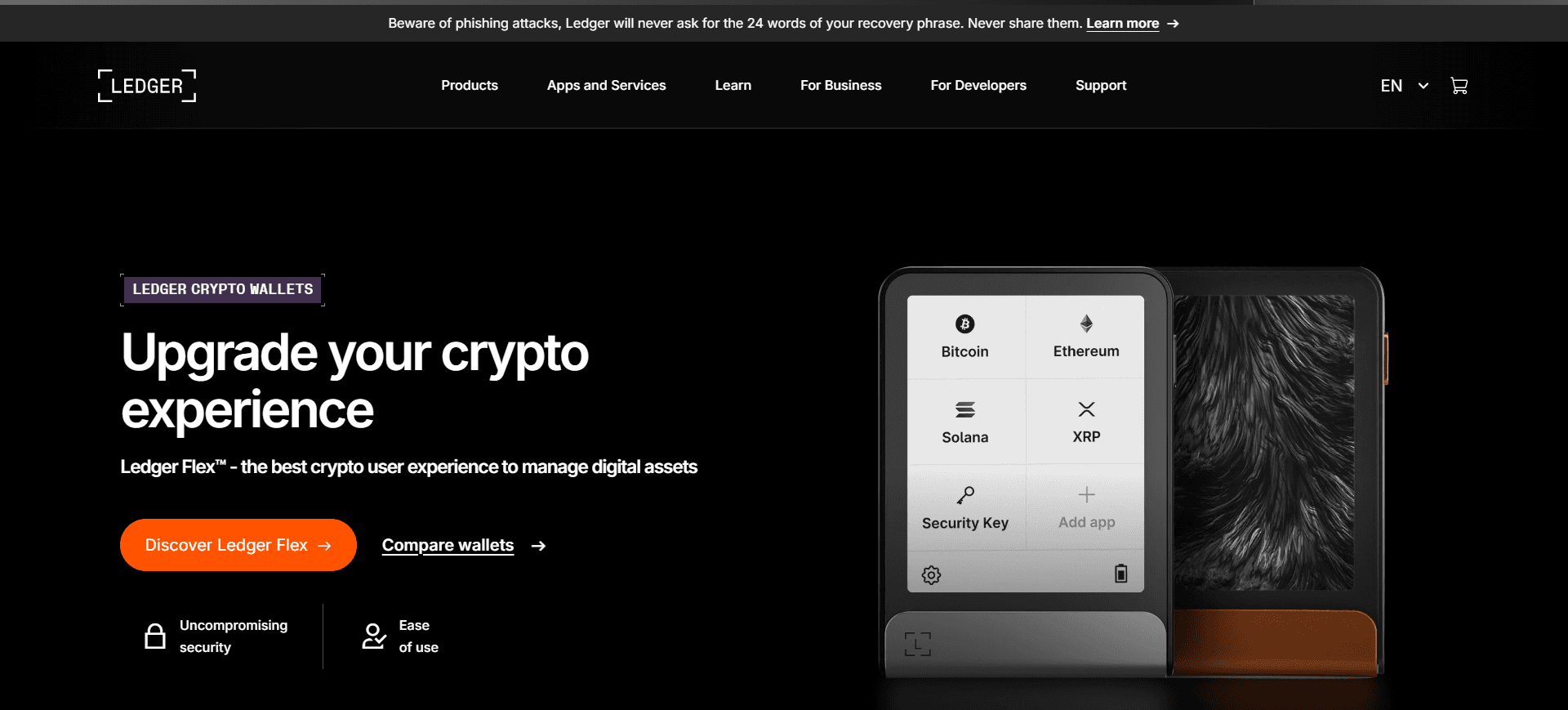
Ledger.com/start: A Practical Guide to Owning and Protecting Cryptocurrency
Cryptocurrency is not just a new type of money—it is a new way of thinking about ownership. Unlike traditional banking systems, crypto places full responsibility in the hands of the user. There is no central authority to recover funds, no support line to reverse mistakes, and no insurance if private keys are exposed.
Ledger hardware wallets were created to help users meet this responsibility securely. The official onboarding page, Ledger.com/start, is the only trusted place to begin setting up a Ledger device. This guide explains the setup process in detail and teaches you how to protect your digital assets over time.
What Is Ledger.com/start?
Ledger.com/start is Ledger’s official setup and education portal. It ensures that users initialize their hardware wallets correctly using genuine software and verified firmware.
The page walks users through:
Installing Ledger Live
Verifying the authenticity of the device
Creating or restoring a wallet
Securing access with PINs and recovery phrases
Learning how to send and receive crypto safely
Using this page reduces the risk of scams, fake apps, and unsafe setup practices.
Why Crypto Storage Decisions Matter
Many people enter crypto through exchanges because they are easy to use. However, exchanges hold private keys on behalf of users. This means you are trusting a third party with your money.
History has shown that exchanges can:
Be hacked
Freeze withdrawals
Shut down unexpectedly
Restrict access due to regulations
A hardware wallet solves this by allowing you to control your private keys directly.
How Ledger Hardware Wallets Protect Your Assets
Ledger wallets are built to keep private keys isolated from the internet.
Key protections include:
Offline private key storage
Secure Element chip for tamper resistance
PIN-based physical access control
Recovery phrase backup system
On-device transaction approval
Even if your computer or smartphone is compromised, your crypto remains secure.
Who Should Use Ledger.com/start?
Ledger.com/start is designed for:
Beginners moving away from exchanges
Long-term investors holding significant value
NFT collectors and DeFi users
Anyone who wants true self-custody
If you want full ownership of your crypto, this setup process is essential.
What You Need Before You Begin
Prepare the following before visiting Ledger.com/start:
A new or factory-reset Ledger device
A trusted computer or smartphone
Reliable internet connection
Pen and paper for recovery phrase backup
Avoid public computers, shared devices, or unsecured networks.
Step 1: Visit Ledger.com/start
Open your browser and carefully type Ledger.com/start.
This ensures:
You download official Ledger software
Your device is verified as genuine
You avoid phishing websites
Always double-check the URL, as crypto scams often imitate popular brands.
Step 2: Install Ledger Live
Ledger.com/start will guide you to install Ledger Live, Ledger’s official management application.
Ledger Live allows you to:
Set up and verify your device
Install apps for different blockchains
View balances and transaction history
Send and receive cryptocurrency
Update firmware securely
Ledger Live is available on desktop and mobile platforms.
Step 3: Connect and Authenticate Your Device
After installing Ledger Live:
Connect your Ledger device using USB (or Bluetooth for Nano X)
Open Ledger Live
Choose to set up a new device or restore an existing wallet
Ledger Live verifies the device’s Secure Element to confirm it is authentic and untampered.
Step 4: Create or Restore a Wallet
You will choose one of two options:
Create a New Wallet
Select this if:
You are setting up Ledger for the first time
You do not already have a recovery phrase
Restore a Wallet
Select this if:
You already have a 24-word recovery phrase
You are recovering funds from another device
Restoration requires entering the recovery phrase exactly.
Step 5: Set a PIN Code
The PIN protects your device from unauthorized physical access.
Entered directly on the Ledger device
Multiple incorrect attempts reset the device
Prevents brute-force attacks
Choose a PIN that is secure but memorable.
Step 6: Secure Your Recovery Phrase
This is the most important part of the entire process.
Ledger generates a 24-word recovery phrase
Words appear only once on the device screen
This phrase is the master key to your wallet
Recovery Phrase Safety Rules:
Write it down on paper
Never store it digitally
Never photograph it
Never share it
If someone gets this phrase, they own your crypto.
Why the Recovery Phrase Is Non-Negotiable
The recovery phrase allows you to:
Restore your wallet if the device is lost or damaged
Access funds on a new Ledger
Maintain ownership without relying on Ledger
Ledger does not store this phrase. Losing it means losing access forever.
Optional: Add a Passphrase for Extra Security
Advanced users can add a passphrase, also known as a hidden wallet.
Benefits include:
Extra protection if the recovery phrase is exposed
Ability to create multiple wallets
Increased privacy
⚠️ Passphrases cannot be recovered. Forgetting it means permanent loss of funds in that wallet.
Installing Cryptocurrency Apps
Ledger Live allows you to install apps for different networks, such as:
Bitcoin
Ethereum
Solana
Polygon
Litecoin
Apps enable transaction signing but do not store funds. Your assets remain protected by your recovery phrase.
Using Ledger Live for Daily Management
Ledger Live acts as your control panel.
You can:
Add accounts
Monitor balances
View transaction history
Send and receive crypto
Track portfolio value
Every transaction must be confirmed on the Ledger device.
Sending Cryptocurrency Safely
To send crypto:
Open Ledger Live
Choose the account
Enter recipient address and amount
Review transaction details
Confirm on the Ledger device
This ensures malware cannot change transaction details.
Receiving Cryptocurrency Securely
To receive crypto:
Select the account
Click “Receive”
Verify the address on the device screen
Share the verified address
Always trust the address shown on the device.
Security Layers Built into Ledger
Ledger protects assets using:
Secure Element hardware
Offline private key storage
PIN authentication
Recovery phrase backup
Physical transaction confirmation
Verified firmware updates
Together, these layers defend against online and physical threats.
Common Problems and Solutions
Device Not Recognized
Try a different cable
Restart Ledger Live
Switch USB ports
Forgotten PIN
Device resets after failed attempts
Restore wallet using recovery phrase
Firmware Update Issues
Restart device and Ledger Live
Retry using official software
Lost Recovery Phrase
Wallet cannot be recovered
Always maintain secure backups
Long-Term Security Best Practices
Store recovery phrase offline in multiple secure locations
Use a passphrase for large holdings
Keep firmware updated
Ignore unsolicited emails or messages
Never enter recovery phrase online
Verify every transaction on the device